Italy Summer Holiday Guide
In this guide, we explore the places to visit in Italy, the best time to visit, peak tourist season, food and drink, and much more.
Italy ranks among the most visited countries in the world, and for good reason. From the sun-scorched clifftops of the Amalfi Coast to the rolling vineyards of Tuscany, the sheer variety on offer makes it one of the most rewarding destinations an Irish traveller can choose.
Add world-class food, a warm Mediterranean climate, and some of the most iconic cities on the planet, and it becomes clear why Italy continues to top so many holiday wish lists.
This guide covers everything you need to plan an unforgettable Italian summer holiday, from the best places to visit and when to go, to what things cost, how to get around, and how to book your trip with Topflight.
Jump to section:
Best places to visit | Best city to visit | Best time to visit | Italy for families | Is Italy expensive? | Food and drink | Is Italy safe? | Getting around Italy | FAQs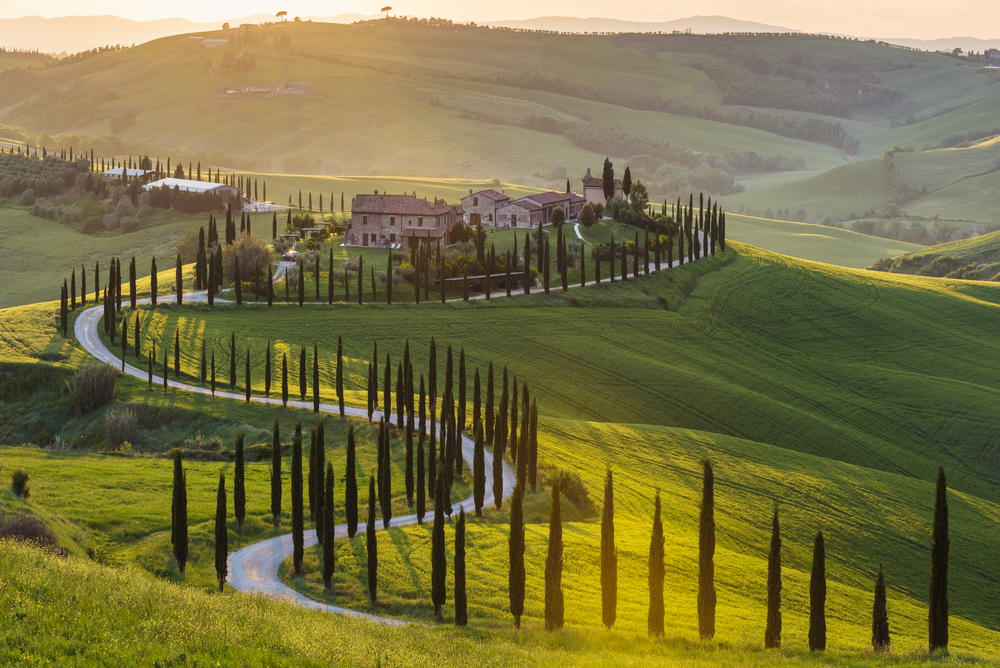
What are the best places to visit in Italy?
Italy rewards every type of traveller. Coastal lovers, culture seekers, families, and food obsessives all find their perfect version of the country here. The regions below are among the most popular summer destinations for Irish holidaymakers, each offering something distinct.
Amalfi Coast
The Amalfi Coast is one of Italy's most dramatic and celebrated stretches of coastline, running along the southern edge of the Sorrentine Peninsula in Campania. Cliffside villages in pastel shades tumble down to clear turquoise water, and the views from towns like Positano, Ravello, and Amalfi itself are genuinely breathtaking.
Summer is the peak time to visit, with temperatures regularly climbing into the high twenties and low thirties. The trade-off is that the coast gets busy, particularly in July and August, so planning ahead is essential.
For those weighing up their options along this stretch of coastline, our guide to Sorrento vs the Amalfi Coast breaks down the key differences to help you decide. Once you've settled on a base, our round-up of the best hotels on the Amalfi Coast and in Sorrento is a great place to start planning where to stay.
Sorrento
Sorrento sits at the top of the Sorrentine Peninsula, overlooking the Bay of Naples and the island of Capri in the distance. It's a town that manages to feel genuinely Italian even in high season, with a compact old town full of lemon groves, ceramic shops, and excellent restaurants. It also serves as one of the best bases on the southern coast, with easy access to Pompeii, the Amalfi Coast, and Naples by ferry or rail.
For anyone heading here for the first time, our first-time guide to Sorrento covers everything from what to see and do to practical tips on getting around.
Lake Garda
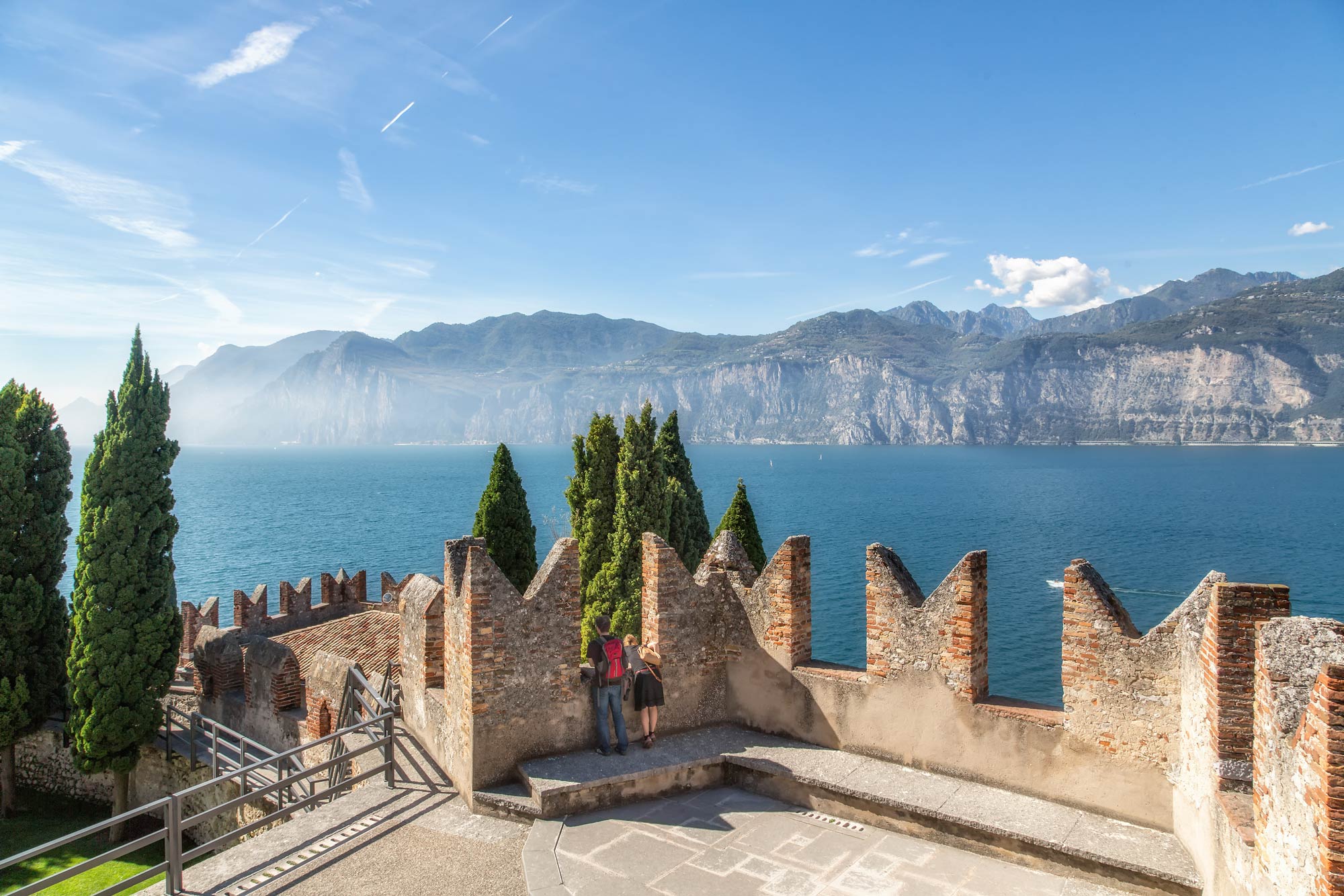
Lake Garda is Italy's largest lake, stretching across parts of Lombardy, Veneto, and Trentino in the north of the country. The southern end is flat and resort-friendly, home to towns like Sirmione and Desenzano del Garda, while the northern end narrows dramatically and takes on an almost Alpine character. It's a destination that suits families, couples, and activity seekers alike. Summer is the ideal time to visit, with warm temperatures, calm water, and all the attractions in full operation.
For families in particular, Bella Italia on the southern shore at Peschiera del Garda is one of Topflight's most popular Lake Garda options, and a resort the team knows inside out. It combines a lakeside setting with five swimming pools, a packed children's entertainment programme for ages 4 to 16, and easy access to Gardaland, making it a strong all-rounder for families travelling with children of different ages.
Our guide to Lake Garda for families is packed with further suggestions for those travelling with children, and our article on the best time to visit Lake Garda helps you choose the right window for your trip.
Tuscany
Tuscany is the region most associated with the classic Italian dream: rolling hills, medieval hill towns, world-famous wine, and Renaissance art. Florence is its most famous city, but the region extends far beyond it. Siena, San Gimignano, Lucca, and the Val d'Orcia landscape all deserve a place on any Tuscany itinerary.
Summer in Tuscany means long evenings, outdoor dining, and the countryside at its most golden. Our tourist guide to Tuscany covers the region's highlights and helps you make the most of your time there.
What is the best city to visit in Italy?
Italy's cities are among the most culturally rich in Europe, and choosing between them is one of the most enjoyable dilemmas in travel planning. Rome, Florence, Venice, Milan, Naples, and Bologna each offer an entirely different experience, and the right choice depends on what you want from your trip.
Rome suits those who want ancient history, iconic landmarks, and a city that operates on a grand scale.
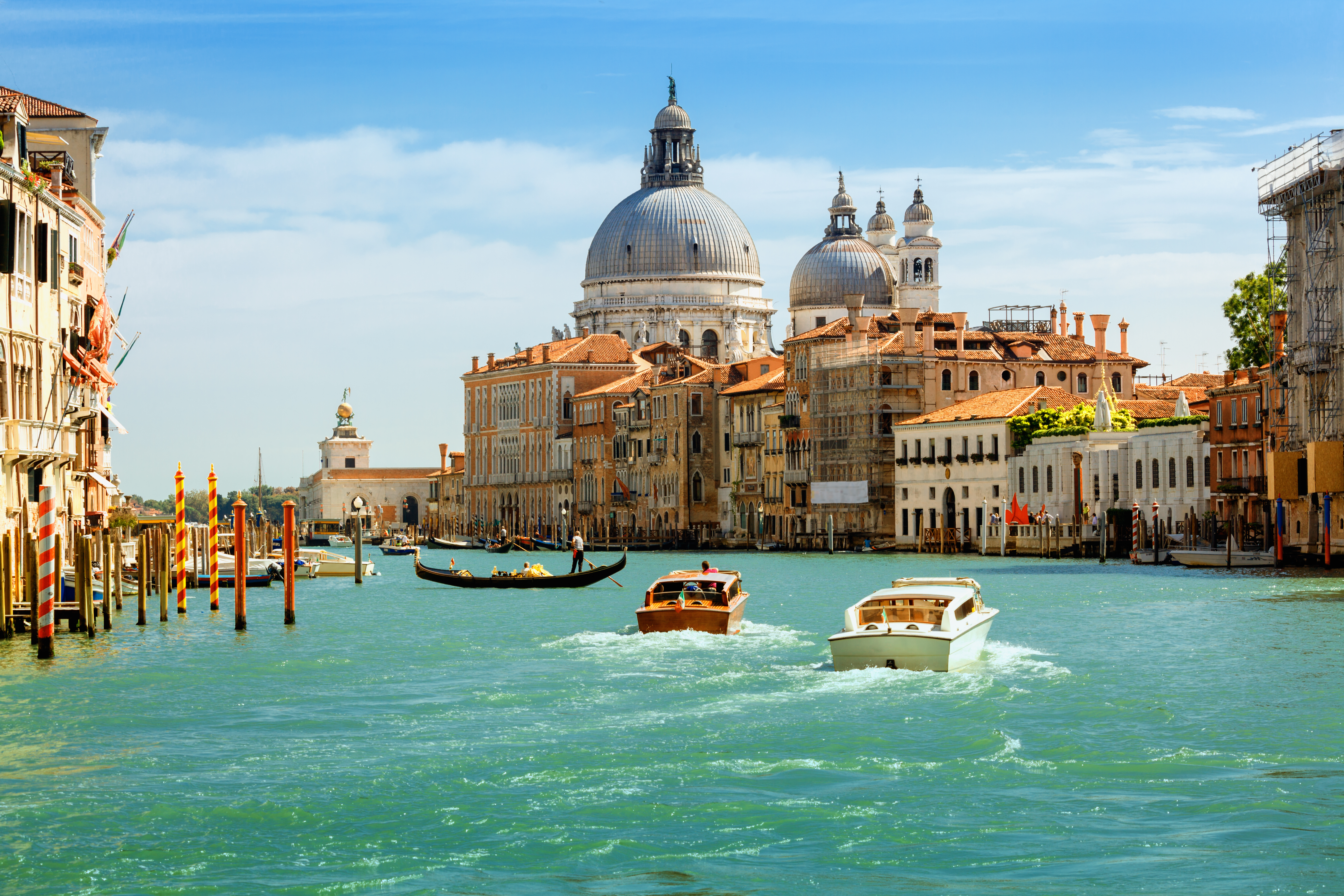
Florence is the pick for Renaissance art and architecture, with the Uffizi Gallery and the Duomo as the obvious starting points. Venice is unlike any other city on earth, best explored slowly and on foot.
Milan leans more cosmopolitan, with fashion, design, and a thriving food scene. Naples is raw, loud, chaotic, and utterly captivating, and it's the birthplace of pizza. Bologna, often overlooked, has arguably the best food of any city in the country.
For a deeper look at which Italian city suits you best, our guide to the top cities in Italy to visit covers the key options in detail.
When is the best time to book a holiday to Italy?
Timing your Italy summer holiday well makes a real difference, both in terms of experience and value. For detailed guidance on locking in the best deal, our article on the best time to book a holiday to Italy is essential reading. If historical sights are on your agenda, our guide to top historical Italian sites to visit will help you plan around key attractions.
Weather in Italy in summer
Italy's summer weather runs from June through to September, with the warmest and driest conditions falling in July and August. Across most of the country, daytime temperatures sit between 28°C and 35°C during peak summer, though the south and the islands tend to run hotter than the north.
The northern regions, including Lake Garda and the Dolomites, are noticeably cooler than southern destinations like Sicily, Calabria, and the Amalfi Coast. Rome and Florence sit somewhere in the middle but can feel intensely hot in July, particularly given the urban heat and the level of walking involved in sightseeing.
For coastal destinations, the sea breeze makes temperatures more manageable, and the water temperature along the Tyrrhenian and Adriatic coasts reaches a very swimmable 24°C to 26°C in August.
When it comes to what to pack, light, breathable clothing is the standard choice for summer in Italy. Linen, cotton, and loose-fitting fabrics work well in the heat. That said, Italy has a strong culture around dress codes in churches and religious sites, so carrying a light scarf or a layer to cover shoulders and knees is practical rather than optional. Comfortable walking shoes are a must, especially in cities built on cobblestones.
Peak seasons in Italy
Italy is one of the most visited countries in the world, attracting around 57 million international tourists annually, according to data from ENIT, the Italian National Tourist Board. The peak tourist season runs from late June through to the end of August, with the absolute busiest weeks falling around mid-July to mid-August. This period coincides with the Italian national holiday of Ferragosto on 15 August, when much of the country takes a collective break, and popular coastal resorts and cities reach their highest footfall of the year.
The most visited areas during summer include Rome, Venice, Florence, the Amalfi Coast, and Sicily. Venice in particular experiences significant crowding in summer, and the city has introduced a day-tripper entry fee to manage visitor numbers during peak periods.
The quieter shoulder periods, either late May to mid-June or September, offer a much more relaxed experience. Temperatures remain warm, prices ease off, and the main attractions are noticeably less congested. September is widely regarded as one of the best months to visit Italy, offering all the warmth of summer with a fraction of the crowds.
Is Italy a good place to visit as a family?
Italy is an excellent family holiday destination, and one that works across a wide range of ages and interests. Young children tend to love the beaches and the pizza. Teenagers engage with the history, the cities, and the food culture. Adults get architecture, wine, and landscapes that are hard to match anywhere in Europe.
From theme parks at Lake Garda, including Gardaland, one of Italy's most popular family attractions, to the calm, shallow waters of the Adriatic coast at Lido di Jesolo, the country has genuine infrastructure for family travel. Many Italian towns and resorts are very well set up for families, with a culture that is genuinely welcoming to children.
For a curated look at the destinations that work best for families, our guide to the top ten family holiday destinations in Italy is the place to start.
Is Italy expensive?
Italy sits in the mid-range when compared to other popular European summer destinations. It's generally more affordable than France or Scandinavia, and broadly comparable to Spain, though costs vary significantly depending on where you go and how you travel.
In cities like Rome, Florence, and Venice, expect to pay more for food, accommodation, and attractions. A sit-down lunch in a tourist area of Rome might cost €15 to €25 per person, while a coffee at a bar is still one of the genuine bargains of Italian life, typically under €2 when you stand at the counter. Dinner at a mid-range trattoria for two, including a carafe of house wine, tends to come in between €50 and €80.
Away from the main tourist hotspots, costs drop considerably. Smaller towns, regional restaurants, and local markets offer excellent value, and self-catering accommodation in rural Tuscany or along the Adriatic coast can be very competitive, particularly outside August.
For everyday spending, a reasonable daily budget for a couple in Italy (excluding accommodation) is roughly €80 to €120, covering meals, transport, entry fees, and incidentals. Italy uses the euro (€), so there are no currency exchange issues for travellers coming from eurozone countries, and Irish visitors won't need to worry about conversion rates.
Should I take cash to Italy?
Card payments are widely accepted across Italy, particularly in cities, tourist areas, hotels, and larger restaurants. Major credit and debit cards including Visa and Mastercard work reliably in most establishments.
That said, cash remains useful, and in some cases necessary, in Italy. Smaller trattorias, street food vendors, local markets, taxis, and some rural businesses still operate on a cash-only basis. It's also worth having cash for smaller incidental purchases, museum entry at smaller sites, and tips, which are not compulsory in Italy but are appreciated.
A practical approach is to arrive with around €100 to €150 in cash and use ATMs (known as bancomat in Italian) as needed throughout your trip. ATMs are widely available in towns and cities. Using a travel card or a zero-foreign-transaction-fee card for the bulk of your spending will keep costs down and reduce the need to carry large amounts of cash.
Food and drink in Italy
Italian food culture is one of the great pleasures of visiting the country. Meals are taken seriously, ingredients matter, and the regional variation means that eating your way across Italy is an education in itself.
Eating in Italy
Italian cuisine varies dramatically from region to region, and this is part of what makes eating in Italy so rewarding. In the north, dishes tend to be richer, with butter, cream, and slow-cooked meats featuring heavily. Risotto is a staple in Lombardy, fresh egg pasta is the norm in Emilia-Romagna, and polenta appears regularly around the lake districts. Head south and the food becomes simpler and bolder, built around tomatoes, olive oil, seafood, and chilli.
Pizza, of course, originated in Naples, and the Neapolitan version — soft, slightly charred, and cooked in a wood-fired oven — remains the standard by which all others are judged. Pasta comes in dozens of regional shapes, each matched to specific sauces. Cacio e pepe and carbonara belong to Rome. Pesto alla Genovese comes from Liguria. Ragù alla Bolognese is from Bologna.
Breakfast in Italy is typically light and taken standing at a bar: a cornetto (a slightly sweet croissant) and a shot of espresso or a cappuccino. Lunch was traditionally the main meal of the day, though this has shifted in urban areas. Dinner is eaten late by Irish standards, with most Italians not sitting down until 8pm or later.
One practical point worth knowing: ordering a coffee after lunch or dinner is the done thing in Italy. Ordering a cappuccino after a meal, however, will mark you out as a tourist. Stick to espresso post-meal and you'll fit right in.
Drinking in Italy
Italy produces some of the finest wine in the world, and drinking well here doesn't require a large budget. House wine (vino della casa) in a trattoria is almost always locally produced and consistently good value, often priced at €6 to €12 for a half-litre carafe.
The country's wine regions are extensive. Tuscany produces Chianti, Brunello di Montalcino, and Super Tuscans. Piedmont is home to Barolo and Barbaresco. Sicily produces excellent reds and increasingly respected whites. Prosecco originates from the Veneto region in the north-east, and a glass before dinner is as much a ritual as the meal itself.
For non-wine drinkers, Italy's beer scene has grown considerably in recent years, with craft breweries now well established across the country. Aperitivo culture is another highlight, particularly in Milan and northern Italy, where an early evening drink is typically accompanied by a generous spread of snacks, making it a very economical pre-dinner option.
The drinking age in Italy is 18. Alcohol is served in bars, restaurants, and supermarkets, and drinking in public spaces is generally accepted in moderation.
Is Italy safe?
Italy is a safe and well-established tourist destination, consistently ranked among the most visited countries in the world precisely because it has excellent infrastructure for international visitors. The vast majority of trips to Italy pass without incident, and Irish tourists are warmly welcomed throughout the country.
As with any major tourist destination, petty crime such as pickpocketing and bag snatching does occur, particularly in busy urban areas and at crowded tourist sites. Rome, Naples, Florence, and Venice are the areas where tourists are most likely to encounter this. The advice is straightforward: keep valuables in a secure inner pocket or money belt, avoid leaving bags unattended, and be alert in crowded spaces such as markets, public transport, and busy piazzas.
Traffic in Italian cities can feel chaotic to the uninitiated, and pedestrian crossings are treated with varying degrees of respect depending on the city. Naples, in particular, requires a degree of confidence when navigating on foot. Taking a moment to observe the flow of traffic before crossing is sensible practice.
The Italian emergency number is 112, which connects to police, ambulance, and fire services. Ireland and Italy are both EU member states, meaning Irish travellers can use their European Health Insurance Card (EHIC) for access to public healthcare in Italy. Travel insurance is still strongly recommended to cover any eventualities.
What is the best way to travel in Italy?
Italy has a well-developed transport network, and getting around the country is generally straightforward, though the best mode of transport depends on where you're going and the pace of travel you prefer.
Travelling by rail in Italy
Rail is the standout option for intercity travel. Trenitalia and Italo operate high-speed services between major cities, and the Rome to Naples, Rome to Florence, and Milan to Venice routes are fast, comfortable, and competitively priced when booked in advance. Travelling between cities by train is often the most enjoyable option, with scenic routes and city-centre arrivals that save the hassle of airport-style check-ins.
Travelling by bus and ferry in Italy
Local buses and ferries are the standard way to get around the Amalfi Coast, the island destinations, and the Lake Garda region. The ferry network connecting Sorrento, Positano, Amalfi, and the islands of Capri and Ischia is efficient and relatively affordable.
Travelling by car in Italy
Car hire is worth considering for rural destinations, Tuscany in particular, where the best experiences involve driving through the countryside between smaller towns and villages. Driving in Italian cities, however, is best avoided. Many historic town centres are ZTL zones (Zona a Traffico Limitato), meaning access is restricted to residents and permit holders, and violations carry automatic fines. If you do hire a car, research the ZTL rules for any city you plan to visit.
Transport costs in Italy are generally reasonable, particularly for train travel booked in advance. Last-minute rail tickets can be significantly more expensive, so planning ahead pays off.
How to get to Italy from Ireland
Ireland has good direct flight connections to several major Italian airports. Dublin Airport operates direct routes to Rome Fiumicino, Milan Malpensa, Venice Marco Polo, Naples, and Bologna, among others. Cork Airport also offers seasonal direct services to Italian destinations during the summer months. Shannon Airport serves as an additional departure point, with connections available via hub airports.
Flight times from Ireland to Italy range from approximately two and a half hours to Rome, up to around three hours for destinations further south or east.
Booking your Italy summer holiday through Topflight takes the complexity out of the planning process. Topflight specialises in package holidays to Italy from Ireland, combining flights, accommodation, and transfers into one straightforward booking. With decades of experience sending Irish families and couples to Italy, the team knows the destinations inside out and can help you find the right fit for your trip.
Frequently Asked Questions
Do I need a visa to travel to Italy from Ireland?
No. Irish citizens hold EU passports and can travel to Italy without a visa. Italy is a member of the Schengen Area, and Irish travellers can enter and stay for any length of time as fellow EU citizens. No additional documentation beyond a valid passport or Irish identity card is required.
Do they speak English in Italy?
English is widely spoken in tourist areas, hotels, and restaurants in major cities and coastal resorts. In smaller towns and rural areas, English proficiency can be more limited, so having a few basic Italian phrases to hand is always appreciated by locals and makes the experience more enjoyable.
What currency does Italy use?
Italy uses the euro (€). Irish travellers won't need to exchange currency, as Ireland also uses the euro. Card payments are widely accepted, though carrying some cash for smaller establishments and local markets is advisable.
How long is the flight from Ireland to Italy?
Flight times from Dublin to Italy vary by destination. Dublin to Rome takes approximately two and a half hours. Dublin to Naples is around two hours and forty minutes. Dublin to Venice or Milan runs to roughly two and a half to three hours. Flights from Cork or Shannon may involve a connection, though direct seasonal routes are available on certain services.
What is the best resort in Italy for a beach holiday?
The best beach resort depends on what you want from the trip. Lido di Jesolo on the Adriatic coast is one of the most popular choices for Irish families, with long sandy beaches, calm water, and excellent facilities.
The Amalfi Coast and Sorrento suit those who want dramatic scenery alongside the sea.
For a full guide to one of Italy's most loved beach destinations, read our article on Lido di Jesolo as the best beach holiday in Italy.
Do I need travel insurance for Italy?
Travel insurance is strongly recommended for any trip to Italy. Irish travellers can use their European Health Insurance Card (EHIC) to access public healthcare while in Italy, but EHIC does not cover private treatment, repatriation, trip cancellation, or lost or stolen belongings. A comprehensive travel insurance policy covers these eventualities and gives genuine peace of mind for the duration of your trip.
Is Italy suitable for solo travellers?
Italy is a highly accessible destination for solo travellers. Cities like Rome, Florence, Bologna, and Naples reward slow, independent exploration, and the country's rail network makes it easy to move between destinations. Solo travellers tend to find Italians sociable and welcoming, and the café culture of sitting at a bar for coffee or a glass of wine makes it easy to settle into local life.
Book a Holiday to Italy with Topflight
Italy has something for everyone, from beach holidays and city breaks to family getaways and touring adventures. Topflight offers a wide range of Italy holidays departing from Ireland, with options to suit every budget and travel style.
Highlights include sun-soaked beach holidays to Lido di Jesolo, one of the most family-friendly resorts on the Adriatic coast, and a variety of guided Italy tours that take in the country's most celebrated cities and landscapes.
Topflight's Ireland-based team handles flights, accommodation, and transfers, making the booking process simple and the holiday itself stress-free from departure to return.
Browse Italy holidays with Topflight and start planning your summer trip today.

50 Years Experience
Proudly serving Irish holidaymakers for over 50 years, delivering only the best quality & value to our clients.

100% Irish Owned
We are 100% Irish owned and proud of it. We truly understand what's important to Irish clients like no one else can.

Family Owned & Operated
Topflight is a family run company, and as a family, we know what it means to get the family holiday right first time.

Your Family, Protected
We take your trust in us very seriously. For your protection all of our package holidays are 100% protected.