Austria Summer Holiday Guide
In this guide, we explore the must see places to visit in Austria during the summer months.
Planning a summer holiday and want something a little different? Austria delivers mountain scenery, crystal-clear lakes, charming Alpine villages, and some of the best outdoor activities in Europe, all without the overcrowding you'll find in more obvious summer destinations.
From hiking and swimming in the Tyrol to exploring the grand streets of Vienna, Austria in summer is one of travel's best-kept secrets, and Topflight makes it straightforward to get there from Ireland.
Jump to section:
Why visit Austria in summer? | Best places to visit | Best city to visit | Best time to visit | Austria for families | Is Austria expensive? | Food and drink | Is Austria safe? | Getting around Austria | FAQs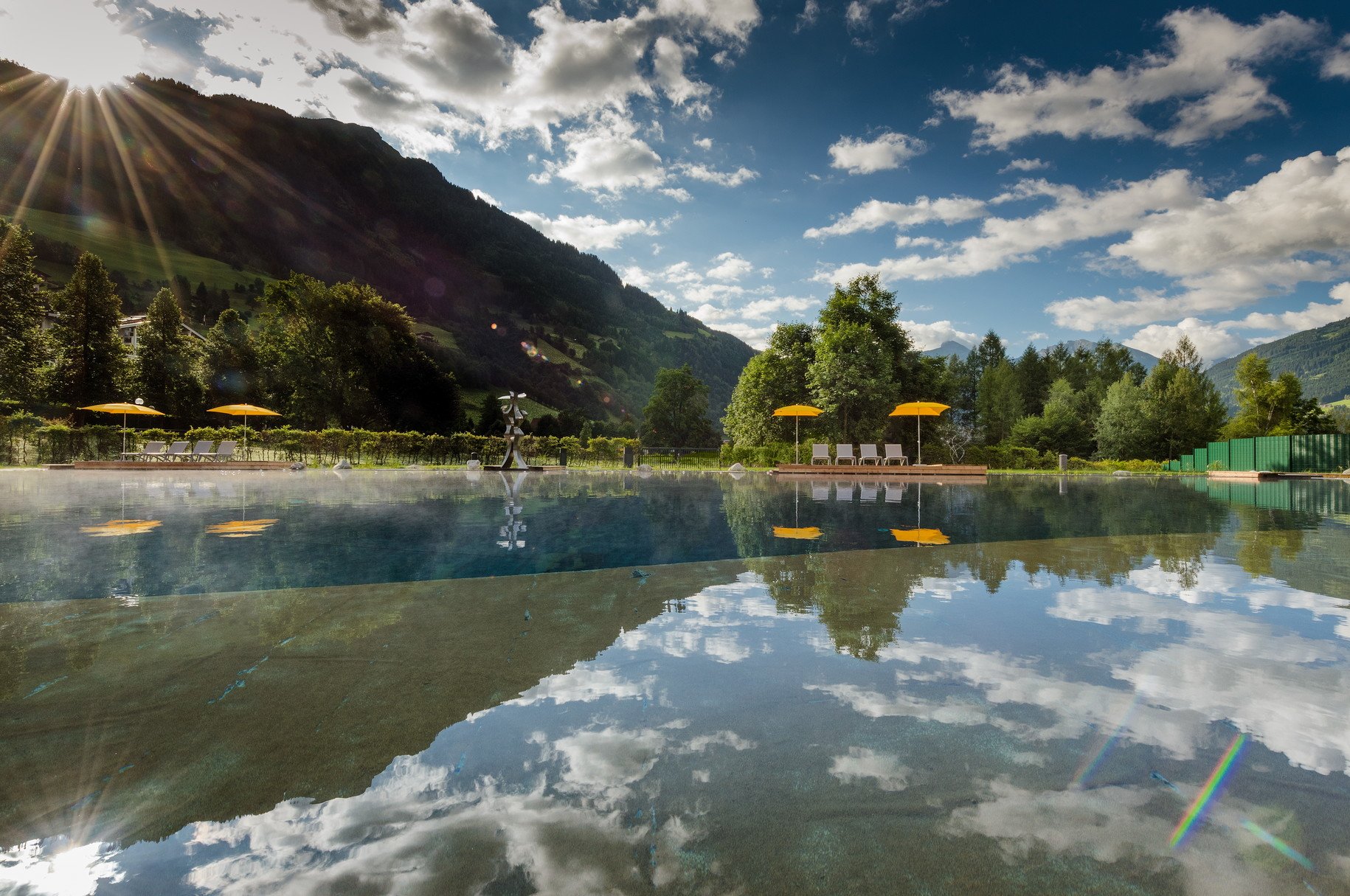
Why visit Austria in the summer?
Most Irish travellers think of Austria in December. The ski resorts, the Christmas markets, the Glühwein — it's a well-earned reputation. But limiting a visit to the winter months means missing out on an entirely different side of the country, one that arguably surpasses the cold-weather experience.
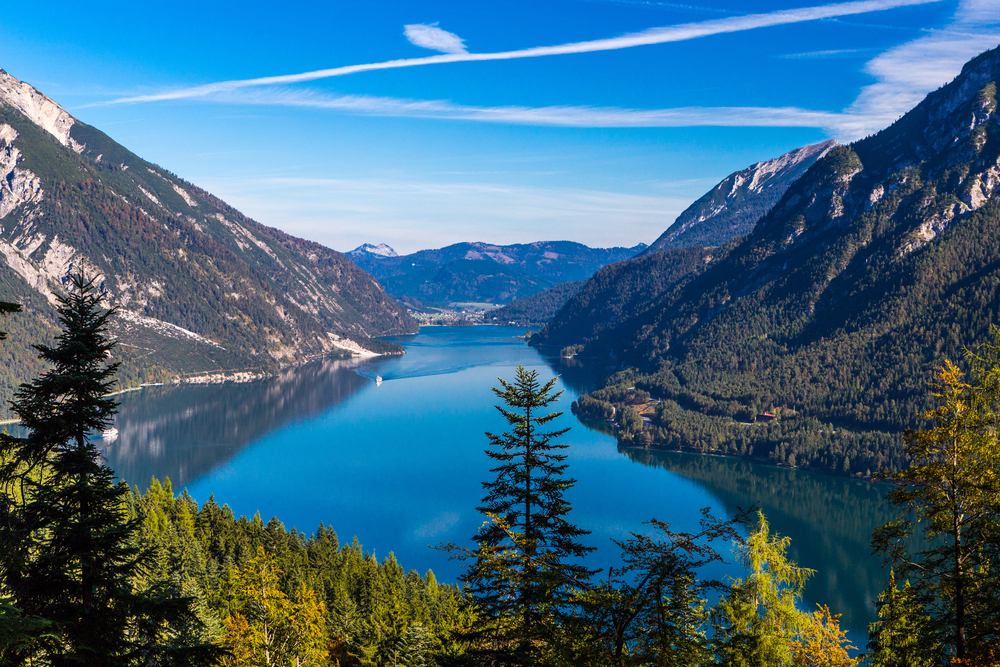
Come summer, the same Alpine landscapes that draw skiers transform into something equally spectacular. Wildflowers cover the hillsides, cable cars that usually ferry skiers now lift hikers to panoramic ridgelines, and the lakes, fed by glacial meltwater, warm up just enough for swimming. Temperatures are pleasant rather than punishing, hovering between 22°C and 28°C across most of the country in July and August, making it ideal for exploring outdoors without the heat fatigue you'd get in southern Europe.
Austria is also significantly less crowded in summer than comparable destinations like Italy, Croatia, or the south of France. You get the scenery without the scramble. Restaurants are relaxed, towns feel authentic, and prices, while not budget-level, reflect far better value than you'd pay on the Mediterranean coast during peak season.
For Irish holidaymakers who want natural beauty, fresh air, great food, and a genuine sense of discovery, Austria in summer delivers in every respect.
Where are the best places to visit in Austria?
Austria's summer appeal is spread across several distinct regions, each with its own character. The following destinations are among the most rewarding for Irish visitors, offering a strong mix of scenery, activities, and atmosphere.
Zell am See
Zell am See sits on the shores of its namesake lake in the Salzburg region and is one of the most picturesque towns in the Alps. In summer, the lake becomes the focal point, with swimming, paddleboarding, boat hire, and lakeside cycling all popular options.
The surrounding mountains offer excellent hiking trails for all abilities, and the nearby Kitzsteinhorn glacier means you can even ski in July if the mood takes you. The town itself is compact and walkable, with good restaurants, cafés, and a lively summer atmosphere that draws visitors from across Europe.
Explore holidays to Zell am See
St. Johann in Tirol
St. Johann in Tirol is a traditional Tyrolean market town surrounded by impressive peaks, including the Wilder Kaiser mountain range, which provides a dramatic backdrop and world-class hiking. It's quieter and more laid-back than some of its better-known neighbours, which is a large part of its charm.
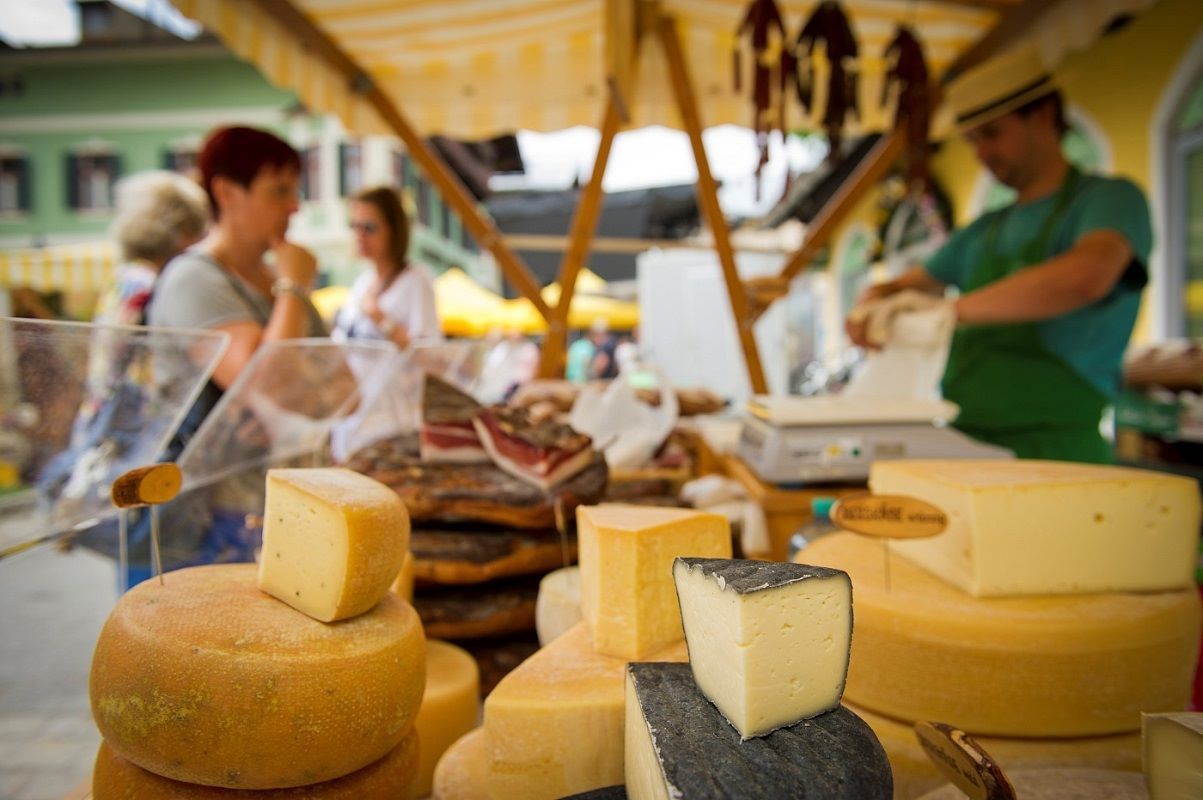
The town has a strong local identity, with weekly markets, authentic gastronomy, and a pace of life that feels genuinely restful. Cyclists will find outstanding routes through the valley, and the area connects into a wider network of Alpine trails.
Kirchberg
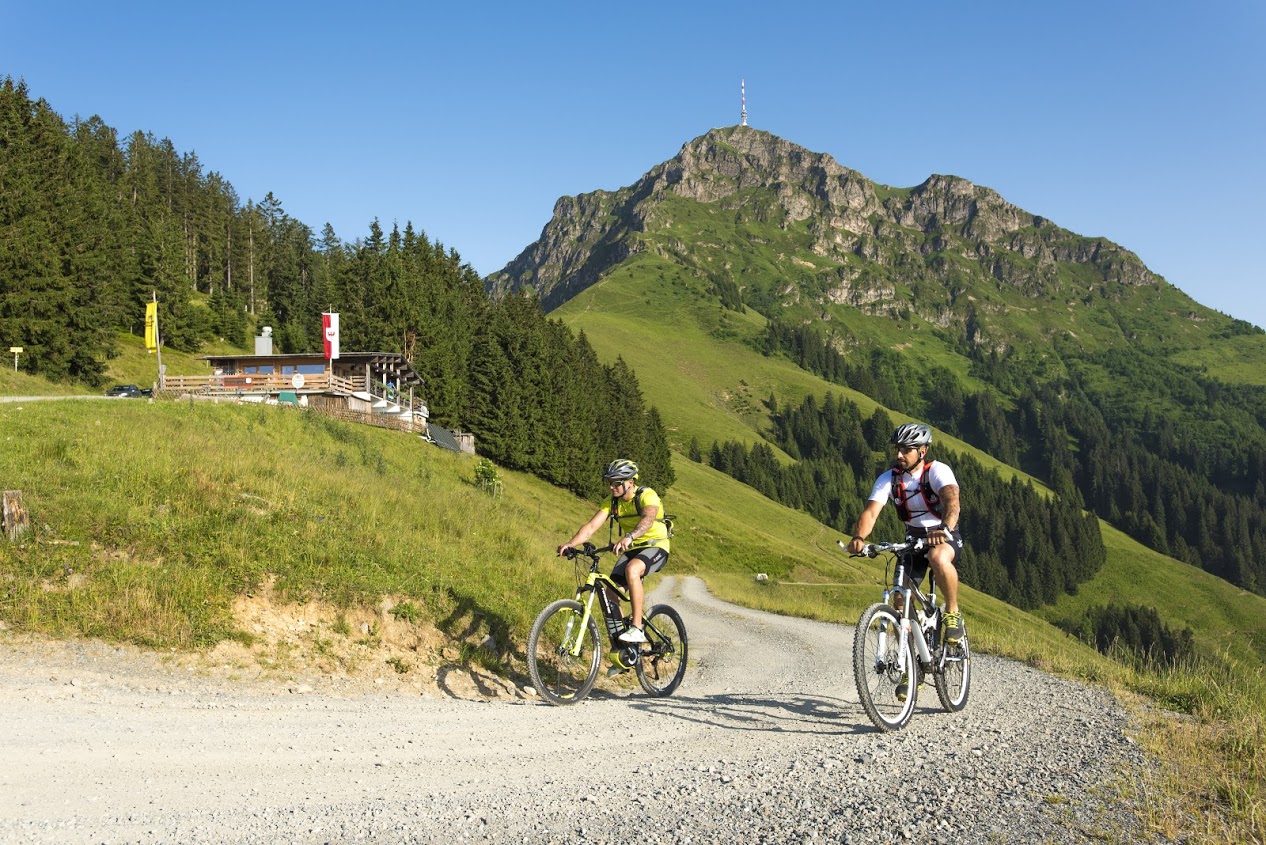
Kirchberg sits in the Kitzbühel Alps and offers a slightly more relaxed, village-style alternative to its famous neighbour. It's an excellent base for hiking and mountain biking, with lifts operating throughout the summer to take you up into the high Alpine terrain.
The village has a warm, community feel, with family-run hotels, good local restaurants, and a slower pace that suits those looking to properly unwind. It tends to attract a loyal returning visitor base, which tells you something about the quality of the experience.
Kitzbühel
Kitzbühel is one of Austria's most famous Alpine towns and carries that reputation with style. In summer, the famous ski slopes become lush green hillsides threaded with hiking and biking trails, and the town's medieval centre, with its painted facades and cobbled streets, comes into its own without the winter crowds.
Kitzbühel has a sophisticated edge, with excellent restaurants, boutique shopping, and a calendar of summer events including tennis tournaments and open-air concerts. It's the kind of place that rewards a few days of genuine exploration.
Explore our holidays to Kitzbühel
Mayrhofen
Mayrhofen lies at the end of the Zillertal valley in Tyrol and has built a strong reputation as one of Austria's most vibrant summer destinations. The scenery here is dramatic, with steep valley walls rising sharply around the resort, and the hiking options range from gentle valley walks to serious high-Alpine routes.
The Ahornbahn cable car provides easy access to elevated terrain, and the area is also well set up for white-water rafting, paragliding, and mountain biking. Mayrhofen has a lively après atmosphere that carries through into the summer months, making it a solid choice for those who want activity and energy in equal measure.
Explore our package holidays in Mayrhofen
Which is the best city to visit in Austria?
Austria's cities deserve as much attention as its Alpine resorts, and summer is a superb time to explore them.
Vienna
Vienna is the obvious starting point. The Austrian capital is one of Europe's great cities, built on centuries of imperial grandeur, musical heritage, and cultural ambition. The Schönbrunn Palace, the Kunsthistorisches Museum, the Vienna State Opera, St. Stephen's Cathedral — these are world-class attractions by any measure. In summer, the city comes alive with open-air concerts, rooftop bars, and the famous Naschmarkt food market operating at full pace.
Vienna consistently ranks among the world's most liveable cities, and it shows in the quality of everyday life you experience as a visitor.
Salzburg
Salzburg sits just two hours west of Vienna by train and offers a very different but equally compelling experience. The birthplace of Mozart is a compact, walkable city of Baroque architecture, hilltop fortresses, and outstanding food and music culture.
The Salzburg Festival, held each July and August, is one of Europe's premier classical music events and draws audiences from around the world. Even outside the festival, the city rewards slow exploration, and the surrounding Salzburger Land region provides easy day-trip access to lakes and mountains.
Innsbruck
Innsbruck, the capital of Tyrol, sits surrounded by dramatic peaks and offers a compelling combination of urban culture and immediate Alpine access. The Old Town is beautifully preserved, and the famous Golden Roof is one of Austria's most recognisable landmarks. From Innsbruck, you can be hiking above 2,000 metres within 20 minutes of leaving the city centre, making it an outstanding base for combining sightseeing with outdoor activity.
When is the best time to book a summer holiday to Austria?
Austria is a viable summer destination from late May through to early September, but the peak months of July and August offer the best combination of warm weather, long daylight hours, and a full programme of activities and events.
June is an excellent choice for those who prefer quieter resorts and slightly lower prices, as the season is underway but the school holiday crowds have not yet arrived. Early September brings a beautiful, golden quality to the Alpine landscape and remains warm enough for most outdoor activities, with the added benefit of noticeably fewer tourists.
In terms of booking, the general advice is to plan ahead. Austrian summer holidays, particularly to popular destinations like Zell am See, Kitzbühel, and Mayrhofen, fill up well in advance. Booking with Topflight from early in the year gives you the best choice of accommodation and travel dates, and often access to early-bird pricing.
Weather in Austria in the summer
Austrian summer weather is reliably pleasant across the country, though it does vary by region and altitude. In the valley towns and lakeside resorts, expect daytime temperatures of around 22°C to 26°C in July and August. Higher Alpine areas are naturally cooler, which is worth factoring in if you're planning extended hiking at elevation.
Afternoon thunderstorms are a feature of the Alpine summer, particularly in July, and they tend to be brief but heavy. Packing a light waterproof layer is sensible for any outdoor activity. Mornings are typically clear, so experienced hikers tend to start early and descend before early afternoon if storms are forecast.
The overall pattern is one of warm, sunny days with occasional short-lived showers, which is genuinely manageable and rarely disrupts a holiday in any meaningful way.
What to pack for a summer holiday in Austria
Packing for an Austrian summer holiday is slightly different to packing for a beach destination, and getting it right makes a genuine difference to your comfort and enjoyment.
The most important item is a lightweight, waterproof jacket. Afternoon thunderstorms are common across the Alps in summer, and even on a warm, sunny morning the weather can shift quickly at altitude. A packable rain layer takes up minimal space in a day bag and will be used regularly.
Footwear deserves particular attention. If you plan to hike, even on easier trails, proper walking shoes or light hiking boots with ankle support and grip are strongly recommended over trainers or sandals. Many of Austria's most rewarding summer walks involve uneven terrain, and appropriate footwear makes them significantly safer and more enjoyable. A comfortable pair of shoes for evenings in town is worth bringing too, as Austria's resort towns and cities are very walkable.
Layers are key. Mornings and evenings in the Alps can be noticeably cool even in July and August, particularly at altitude, so packing a mid-layer fleece or light knit alongside your summer clothing gives you flexibility across the full range of conditions. Sunscreen is equally important, as UV exposure increases with altitude and the combination of sun and reflected light from rock and water means burning is easier than it feels.
For city visits to Vienna, Salzburg, or Innsbruck, smart-casual clothing is appropriate for restaurants and evening dining. Austria's cities have a polished, well-dressed culture, and while nothing formal is required, a step up from purely outdoor gear is appreciated in better restaurants.
A reusable water bottle is a practical addition. Tap water across Austria is excellent quality, sourced largely from Alpine springs, and staying hydrated during active days is straightforward and free.
Peak tourist season in Austria
July and August represent the peak of the Austrian summer tourist season, with the school holiday period from late June driving a noticeable increase in visitor numbers across the main resorts and cities.
This is still nowhere near the overcrowding you'd experience in comparable Mediterranean destinations during the same period, but popular spots like Vienna's Schönbrunn Palace and the lakeside areas of the Salzkammergut do get busy.
Booking accommodation in advance is strongly recommended during peak season. If you travel in the second half of August, you'll find that European school holidays begin to wind down, reducing visitor numbers slightly while conditions remain excellent.
Is Austria a good place to visit for families?
Austria is one of Europe's most family-friendly summer destinations. The combination of safe, clean environments, reliable infrastructure, and a wide range of outdoor activities makes it a consistently strong choice for parents travelling with children of all ages.
The lakes are particularly well suited to families. Zell am See, for example, has calm, supervised swimming areas, shallow entry points for younger children, and a range of water activities that keep older kids entertained for hours. Many resorts operate family-specific hiking trails with manageable gradients and interesting features along the route, and cable cars make elevated Alpine terrain accessible even for younger or less experienced walkers.
Austrian towns and villages are notably safe, clean, and well-organised. Public spaces are well maintained, restaurants are genuinely welcoming to families, and the general pace of life in the resorts is unhurried enough that travelling with children feels relaxed rather than stressful.
The cuisine is varied and approachable, with dishes that tend to go down well with younger palates alongside more adventurous options for adults. Accommodation across Austria's summer resorts frequently caters specifically to families, with connecting rooms, pools, and on-site activity programmes widely available.
Is Austria expensive to visit?
Austria sits in the mid-to-upper range of European holiday destinations in terms of cost. It is more expensive than Eastern Europe but generally comparable with, and in many cases more affordable than, popular Western European summer alternatives like the French Riviera, the Amalfi Coast, or the Swiss Alps.
Accommodation in the Alpine resorts ranges from family-run guesthouses offering excellent value to four and five-star hotels at the premium end. Eating and drinking in Austria delivers strong value relative to the quality on offer, and the local food and drink culture rewards those who eat where the locals eat rather than at the most tourist-facing establishments.
Do I need to take cash to Austria?
Card payments are widely accepted across Austria, including in the Alpine resorts, restaurants, and shops. However, carrying a modest amount of cash remains useful, particularly in smaller villages, at farmers' markets, and for activities where small operators may not have card facilities.
ATMs are readily available in all towns and resorts, and most Irish bank cards and credit cards work without issue. It is worth checking with your bank before travel regarding any foreign transaction fees, as these vary by provider and can add up over the course of a week.
Food and drink in Austria
Austrian food and drink culture is one of the most rewarding and underappreciated in Europe, rooted in hearty Alpine traditions and refined over centuries of culinary influence from across the former Habsburg Empire. Visiting Austria and not engaging properly with the local food scene would be a genuine missed opportunity.
Eating in Austria
The cornerstone of Austrian cuisine is comfort, which means you can expect generous, satisfying dishes built around meat, potatoes, dumplings, and freshly baked bread. The Wiener Schnitzel, a thin veal or pork escalope fried in breadcrumbs, is the national dish and a benchmark worth seeking out in a good restaurant rather than a tourist trap.
Tafelspitz, slow-boiled beef served with root vegetables and horseradish, is a Viennese classic that rewards the effort of finding a traditional restaurant that does it justice.
In the Alpine resorts, the food culture leans into hearty mountain fare. Käsespätzle, a baked egg noodle dish with melted cheese and crispy onions, is the Austrian Alps' answer to comfort food and is exceptional when made well. Soups, in particular the clear beef broths served with dumplings or liver spaetzle, are a staple of lunchtime menus across Tyrol and Salzburger Land.
Austria also has a proud café culture, particularly in Vienna, where the traditional Kaffeehaus tradition is protected as part of the country's intangible cultural heritage. Sitting in a Viennese coffeehouse with a Melange — the local equivalent of a flat white — and a slice of Sachertorte, the city's famous chocolate cake, is one of the great simple pleasures of European travel.
Drinking in Austria
Austria produces wine of a quality that surprises many first-time visitors. The Grüner Veltliner, a crisp, peppery white wine grown predominantly in Lower Austria and the Wachau valley, is the country's signature grape and pairs beautifully with the local food. Austrian Riesling is also outstanding and worth seeking out on any restaurant wine list.
Beer is equally important, particularly in the Alpine regions, where local Tyrolean and Salzburg breweries produce excellent lagers and wheat beers. The Zillertal valley, which passes through Mayrhofen, has its own brewing tradition and the local Zillertal beer is a worthy companion to any post-hike meal.
For something entirely local, try Sturm in late summer and early autumn, a partially fermented grape juice that is only available for a short seasonal window and is best drunk fresh in a wine tavern, known as a Heuriger, on the outskirts of Vienna.
Is Austria safe?
Austria is one of the safest countries in Europe for tourists. The country consistently ranks highly in global safety indices, with low crime rates, a reliable emergency services infrastructure, and a well-functioning public health system. Irish visitors travelling to Austria can do so with full confidence in their personal safety in cities, towns, and remote Alpine areas alike.
The main safety considerations in Austria during summer are environmental rather than social. Hiking in the Alps carries the inherent risks associated with mountain terrain, including rapidly changing weather, uneven paths at altitude, and the importance of being properly equipped for the conditions. The Austrian Alpine Club and local tourism offices publish well-maintained trail information, and sticking to marked routes with appropriate footwear and clothing keeps the risk of any incident very low.
Water safety at the lakes is well managed, with designated swimming areas, lifeguard provision at busier locations, and clear signage throughout the summer season. Austria's mountain roads are well maintained and clearly signposted, and the country's public transport network is reliable and punctual.
In short, Austria is an excellent and reassuring choice for solo travellers, families, and anyone travelling independently. The country is welcoming, well-organised, and genuinely safe.
What is the best way to travel in Austria?
Once you arrive in Austria, getting around is straightforward. The country has an outstanding public transport network, particularly the rail system, which connects the major cities and many of the Alpine resorts efficiently and scenically.
The train journey from Vienna to Salzburg takes around two and a half hours, and rail connections into the Tyrolean valleys are reliable and affordable.
Within the Alpine resorts, local buses, valley taxis, and the resort lift networks cover most of the ground you'd need for a summer stay. Cycling is also extremely popular, with dedicated cycle paths running through most of the main valleys, and bike hire is widely available.
If you're looking to explore the best of Austria, we provide a range of guided tours, which will allow you to explore a range of highlights throughout Austria.
How to get to Austria from Ireland
Austria is more accessible from Ireland than many people realise. Topflight holiday packages typically fly into Munich Airport, with flight times of around two to three hours from Ireland.
From Munich, a scenic transfer of approximately three hours brings you into the heart of the Austrian Alps, passing through spectacular mountain scenery as the resorts draw closer.
It makes for a straightforward and enjoyable journey, and with Topflight handling flights and transfers as part of the package, the logistics are taken care of from the moment you book.
Frequently Asked Questions
Do I need a visa to travel to Austria from Ireland?
No. Ireland is a member of the European Union, and Irish citizens can travel to Austria, which is also an EU and Schengen Area member state, without a visa. A valid Irish passport is sufficient for entry. Always ensure your passport is valid for the full duration of your trip.
Do they speak English in Austria?
English is widely spoken throughout Austria, particularly in the cities, tourist resorts, hotels, and restaurants. In the major summer destinations covered in this guide, including Zell am See, Mayrhofen, Kitzbühel, and Innsbruck, English is spoken to a high standard by most people working in the hospitality and tourism sector. Learning a few basic German phrases is always appreciated, but it is not a necessity for a comfortable and enjoyable holiday.
What currency does Austria use?
Austria uses the Euro (€). Irish visitors will find the currency familiar, and there are no exchange requirements for those travelling from the Republic of Ireland. Card payments are accepted widely, though carrying a small amount of cash is useful for markets, smaller cafés, and activities run by local operators.
Do I need travel insurance for Austria?
Travel insurance is strongly recommended for any trip to Austria. As a summer destination with significant outdoor and Alpine activity on offer, having cover for activities like hiking, cycling, and water sports is particularly important. Ensure your policy covers mountain rescue, which can be required in the event of an Alpine incident and can be costly without adequate cover. Topflight recommends taking out comprehensive travel insurance at the time of booking.
Is Austria suitable for solo travellers?
Austria is an excellent destination for solo travellers. The country is safe, easy to navigate independently, and has a well-developed tourism infrastructure that makes it straightforward to get around and find things to do alone.
The cities, particularly Vienna and Salzburg, have rich cultural programmes, sociable café and bar cultures, and guided tour options that make it easy to connect with other visitors. In the Alpine resorts, guided hiking groups and activity operators provide natural opportunities to meet people, and the relaxed, friendly atmosphere of the mountain towns is consistently welcoming to solo visitors.
Book a holiday to Austria with Topflight
Topflight has been getting Irish holidaymakers to the best destinations in Europe for decades, and Austria in summer is one of the destinations the team knows and loves best. From the lakeside setting of Zell am See to the lively trails around Mayrhofen and the sophistication of Kitzbühel, there's a holiday here for every type of traveller.
All Topflight packages include return flights, transfers, and hand-picked accommodation, taking the stress out of organising a trip and letting you focus on the experience. The team's destination knowledge means you're not booking blind: you're getting the benefit of genuine expertise built from years of sending Irish travellers to Austria and knowing exactly what works.
Browse the full range of Austria summer holidays with Topflight and find the destination that suits you best.

50 Years Experience
Proudly serving Irish holidaymakers for over 50 years, delivering only the best quality & value to our clients.

100% Irish Owned
We are 100% Irish owned and proud of it. We truly understand what's important to Irish clients like no one else can.

Family Owned & Operated
Topflight is a family run company, and as a family, we know what it means to get the family holiday right first time.

Your Family, Protected
We take your trust in us very seriously. For your protection all of our package holidays are 100% protected.